The d CARD is a popular credit card in Japan, widely accepted and known for its flexible benefits—especially the point rewards.
For newcomers, students, or expats seeking to build credit and manage expenses efficiently in Japan, understanding how to apply for the d CARD can be reassuring.



This guide explores how the process works, provides practical tips, and outlines what potential applicants should consider before getting started.
What is the d CARD? Main Features Explained
The d CARD, issued by NTT Docomo, is designed to appeal to a diverse range of users. While many associate it with Docomo mobile services, it is open to broad applicants. International residents, students, and long-term visitors sometimes wonder whether the requirements are too strict—sometimes they are, sometimes not. Let’s look at its main features:
- Wide Acceptance: Usable at millions of locations in Japan and globally where Visa or Mastercard is accepted.
- d POINT Integration: Earn points with every purchase—you can redeem these for discounts or goods.
- Mobile Compatibility Card info can be linked to mobile apps for tracking and making payments—some find this extremely convenient.
- No Annual Fee (for Standard Card) : The basic version has no yearly charge, which is appealing for students or those new to Japanese credit cards.
Why Consider Applying for the d CARD?
This card may attract a variety of users for different reasons. Some appreciate the low barrier to entry, especially if already using Docomo services. Others see value in the points system, which can lead to real savings.
Occasionally, applicants are motivated by the simple application process or the ability to improve their credit history in Japan—though, to be fair, the actual experience can vary. For some, language barriers or documentation might feel overwhelming at first glance.

Who Can Apply for a d CARD?
The requirements tend to be straightforward, but certain details trip up first-timers. Generally, you need:
- A registered address in Japan
- Being at least 18 years old (with some restrictions for students under 20)
- A regular income source (though those without full-time work are not necessarily excluded)
- Valid identification (passport, residence card [在留カード], etc.)
Non-native Japanese speakers might find parts of the process challenging, especially as much of the online form is in Japanese. Some recommend seeking support from a Japanese-speaking friend, if possible.

Step-by-Step: How to Apply for the d CARD
The application process mainly occurs online, although you can pick up pamphlets in Docomo shops. Here’s a general outline that may help:
1. Prepare Necessary Documents
- Residence card/Alien registration card
- Personal seal ( inkan )—not always required but helpful
- Proof of address, sometimes a recent utility bill
- Bank account info for recurring payments
Perhaps surprisingly, the personal seal isn’t always needed, but it can speed identification at later stages.
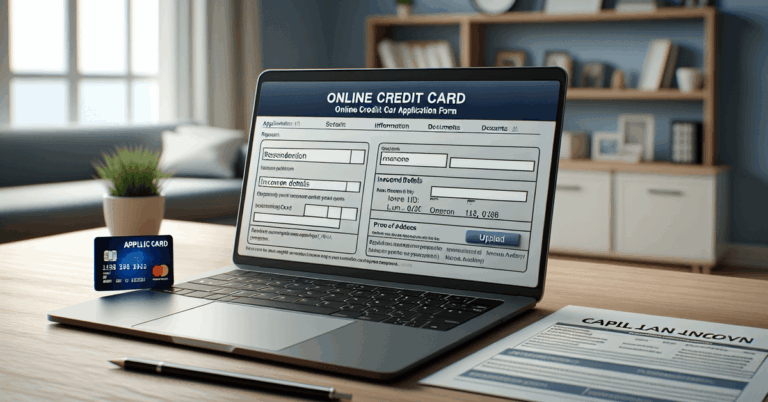
2. Fill Out the Application Online
The official d CARD site offers information, but the actual application is in Japanese. Translation tools may be useful, but they’re not foolproof. The form requests personal details, employment, and income history—a process some find tedious but manageable.
3. Submit and Wait for Review
Credit review typically takes several days. Some receive follow-up calls or requests for clarification. It’s not unusual for first-timers to feel anxious during this period, but approval is often granted without too much fuss, especially for those with stable status.
4. Receive and Activate the Card
If approved, the card arrives by mail—sometimes within a week, sometimes longer. Activation instructions come with the card. Sometimes, the activation process seems overly detailed, but it’s straightforward when following the provided guide.
What Are the Types of d CARD?
| Card Type | Annual Fee | Key Features |
|---|---|---|
| Standard d CARD | Free | Point rewards, wide acceptance, app support |
| d CARD GOLD | ¥11,000 | More points, insurance, mobile phone warranty |
For most new residents or students, the standard card offers enough. The GOLD option suits those spending a lot on Docomo services, or who want insurance features.
Tips for a Successful Application
- Check that all documents are up-to-date and legible.
- Be honest about income; estimates are accepted if exact figures aren’t known.
- Use an address where mail can reliably be received—missing the delivery is a surprisingly common problem.
- Consider practicing the process with a translation tool first, especially if reading Japanese is uncomfortable.
If you face rejection, don’t be discouraged. Many people try again later or after resolving minor issues. Perhaps, after several months in Japan or with improved language skills, the process feels much easier.
Benefits of Using d CARD in Everyday Life
Accumulating d POINTS can add up to real discounts at convenience stores, supermarkets, and online. Also, making regular payments automatically with the d CARD helps many users organize their finances—it’s not always perfect, but it’s a start. Some say they were skeptical at first, but found the card useful for budgeting and shopping after a few months.
Potential Drawbacks and Cautions
- Interest rates on unpaid balances can be high; paying off the balance monthly is advisable.
- Not all merchants accept d POINTS for payments—double-check before counting on them.
- The application form is in Japanese, which might deter some overseas residents.
It’s normal to feel hesitant about applying for a credit card in a new country. Sometimes, a quick chat with current cardholders can provide a fresh perspective.
Related Resources and Further Reading
- d CARD Official English Page
- NTT Docomo Official Site
- For tips on expat finance, you might also like our post on opening a Japanese bank account as a foreigner.
Visual enhancements: Readers may benefit from images or infographics illustrating the application steps, or a map showing where d POINTS can be used. Inserting a sample screenshot of the application form (with mock data) could ease anxiety, though it’s not strictly required.
Conclusion: Weighing the Value of the d CARD
The idea of getting a credit card in Japan might feel daunting, but the d CARD offers a gentle entry point for many. Perhaps it won’t solve every financial need, but the user benefits—from earning points to smoother daily purchases—may prove worthwhile. Those willing to navigate the initial hurdles can discover a tool that supports their day-to-day life. For further tips on managing your finances in Japan, our Personal Finance Tips for New Residents post may help.