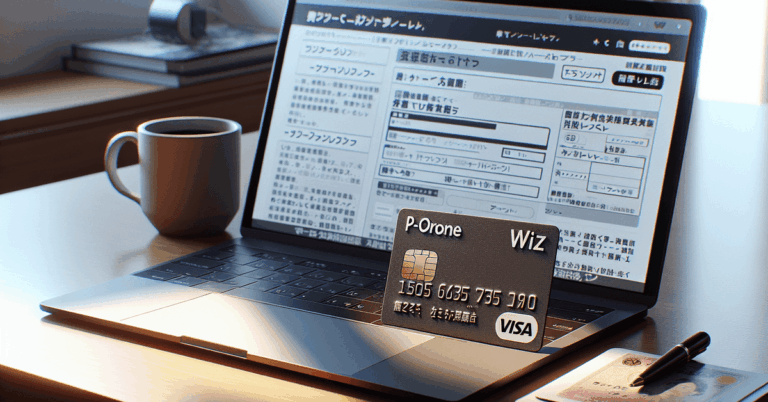
The process of applying for a P-one Standard Credit Card is of interest to many seeking reliable payment options in Japan. This guide gives a clear overview of what the card offers and explains the essential steps to apply.
Whether you’re new to Japanese credit cards or looking for a dependable choice, this article covers key information for any careful consumer. People exploring ways to improve their payment flexibility, earn rewards, or better manage purchases may find the P-one Standard Credit Card appealing.



Aside from standard purchases, it promises a straightforward application experience and unique benefits, especially relevant for those living or working in Japan—or even individuals planning a longer stay.
What Is the P-one Standard Credit Card?
The P-one Standard Credit Card is a widely recognized card among Japanese residents. It’s issued by Pocket Card Co., Ltd., and it aims to offer safe, user-friendly cashless transactions.
One distinctive feature is an automatic 1% discount on all purchases, which can help frequent shoppers or busy families manage monthly expenses more easily.
The card works anywhere major card networks are accepted and offers both in-store and online capabilities.
Primary Benefits and Features
- 1% Automatic Discount on all card purchases
- No annual fee, making it accessible for cost-conscious users
- Available to Japanese residents (permanent or long-term visa holders)
- Works with various e-money services and digital wallets
- Online account management for convenience
It’s interesting how the simple act of swiping the P-one Standard Credit Card results in direct savings.
No complex point systems or manual registration—just a straightforward, quiet efficiency that may appeal to those who dislike unnecessary complications.
Eligibility Criteria for Applying
Before beginning the application, it’s wise to review if you meet common Japanese credit card requirements. Generally speaking, the following points apply to the P-one Standard Credit Card :
- Applicants must be age 18 or older
- A stable income or a demonstrable ability to repay
- Japanese residency address (long-term visa holders or citizens)
- A working mobile phone number and email address
- Valid identification, such as a residence card or driver’s license
The exact requirements can, of course, change. There’s an element of subjectivity in credit decisions, so eligibility isn’t always black-and-white.
Past financial behavior and current obligations can come into play, which may surprise some readers expecting a simple, uniform process.
Step-By-Step: How to Apply for the P-one Standard Credit Card
Although steps might evolve over time, the following outline captures the essential process when seeking to obtain the card:
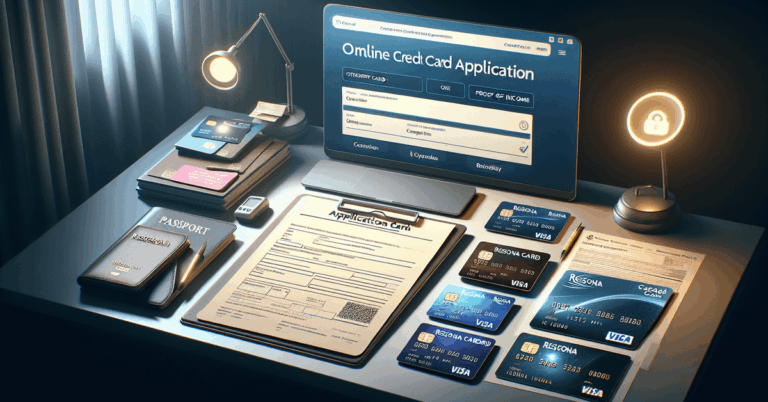
Step 1: Prepare Necessary Documents
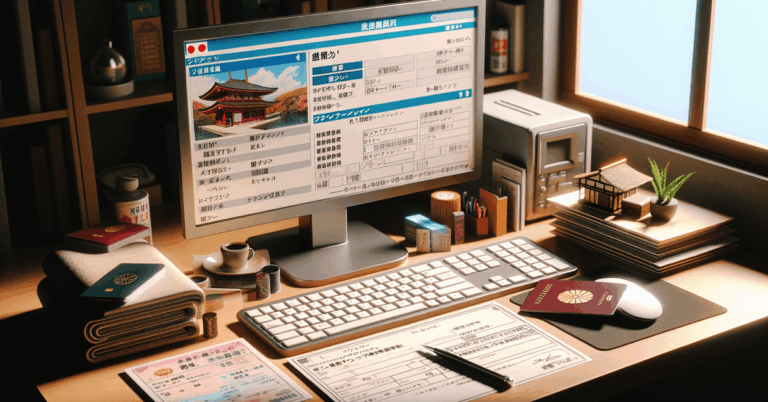
Gather routine documents like ID, proof of residence, and recent payslips if possible. For non-Japanese citizens, a valid residence card plus proof of income improves chances. Sometimes, banks ask for additional paperwork—best to be ready.
Step 2: Complete the Online Application
The official Pocket Card website hosts the most up-to-date application form. The application is in Japanese, and translation tools might help non-native speakers.
Details like employment status, income, and address must be filled in accurately. Honest information builds trust with the card issuer, and inconsistencies are a common cause for rejections.
Step 3: Identity Verification
A standard step in Japan is identity verification. Submitted scans of identification, and sometimes a live video call may be required. This process supports safe account creation and limits misuse.
Step 4: Credit Assessment
This is the moment where decisions depend on more than just form entries. Financial background, previous card usage, and even minor inconsistencies between documents can influence outcomes.
Sometimes, applicants hear back quickly—other times, they might wait longer with no clear explanation.
Step 5: Receive Your Card
Upon approval, the card is mailed to the address provided during signup. Activation instructions usually accompany the delivery.
As Japan’s mailing process can be rather formal (requirement of signing for the delivery, for example), being available during likely delivery windows helps.
Comparison: P-one Standard Credit Card vs. Other Popular Japanese Credit Cards
| Card Name | Annual Fee | Automatic Discount | Point System | Ideal For |
|---|---|---|---|---|
| P-one Standard | None | Yes (1%) | No | Simple savings, all users |
| Rakuten Card | None | No | Rakuten Points | Online shoppers |
| JCB Card W | None | No | Oki Doki Points | Frequent JCB users |
This table helps visualize differences. The absence of a point system for the P-one Standard keeps things uncomplicated, perhaps at the expense of missing out on campaign events.
Useful Tips for International Applicants
- Keep a Japanese-language browser handy; most steps lack English support
- Consider using translation apps for official documents and terms
- Check if your visa type is accepted (e.g., student, dependent, or permanent resident)
- Save all confirmation emails and keep a record of reference numbers
- Contact customer support for questions; Pocket Card offers phone support during business hours
Compared to other countries, the Japanese application process sometimes feels paperwork-heavy.
Still, being thorough pays off in the long run. Occasionally, delays happen for no obvious reason—patience is almost a prerequisite.
Security and Safe Browsing Practices
A crucial advantage is the P-one Standard Credit Card‘s focus on safety. The issuer offers real-time transaction notifications and anti-fraud monitoring.
Always access the official site using secure networks and avoid sharing sensitive data over public Wi-Fi.
Malware and phishing attempts target cardholders everywhere, so vigilance remains important. For extra confidence, consider setting up two-factor authentication for your online account if available.
Google Safe Browsing policies emphasize personal control. Practicing secure habits with any financial product—choosing unique passwords, updating login details, and watching for unfamiliar transactions—is simply smart.
Conclusion
The P-one Standard Credit Card is a potential fit for those prioritizing automatic discounts and low-maintenance card management. While the application process might appear daunting at first, it gets easier with preparation and patience.
Whether for daily shopping or steady management of monthly expenses, the practical features stand out. Anyone curious about efficient credit usage in Japan could compare the P-one Standard alongside other leading options before making any decision.
Additional resources on the site, like guides to e-money or deep dives into work visas and credit requirements, may further support readers considering the P-one Standard.
Exploring several options and, where possible, consulting with local sources may enhance overall confidence.