Travelers in Japan often seek hassle-free payment solutions for public transport and shopping.
The BicCamera Suica Card has gained popularity as a practical, multifunctional option, blending the best of prepaid travel cards and rewarding shopping deals.

This guide explores each step to get your card all in clear, everyday English, with a touch of Japanese context for extra peace of mind. Whether you’re a tourist planning your itinerary or a resident wanting integrated payment ease, this article is tailored for you.
What Is the BicCamera Suica Card?
For newcomers, the BicCamera Suica Card is a collaborative effort between JR East and the electronics retailer BicCamera .
Essentially, it’s a rechargeable smart card that functions on the popular Suica system and unlocks extra shopping perks at BicCamera and partner stores.
Key Features at a Glance:
- Works as a standard Suica for train, subway, and bus travel in Japan
- Doubles as a point-reward card at BicCamera and affiliated stores
- Ideal for tourists and long-term visitors who want combined convenience
Why Consider the BicCamera Suica Card?
People may wonder, why not just a basic Suica? It’s a fair question. From my own experience, the added perks can make a noticeable difference if you plan to shop for gadgets or souvenirs.
Plus, not having to juggle separate cards does reduce everyday friction, especially for those unfamiliar with cash-centric systems.
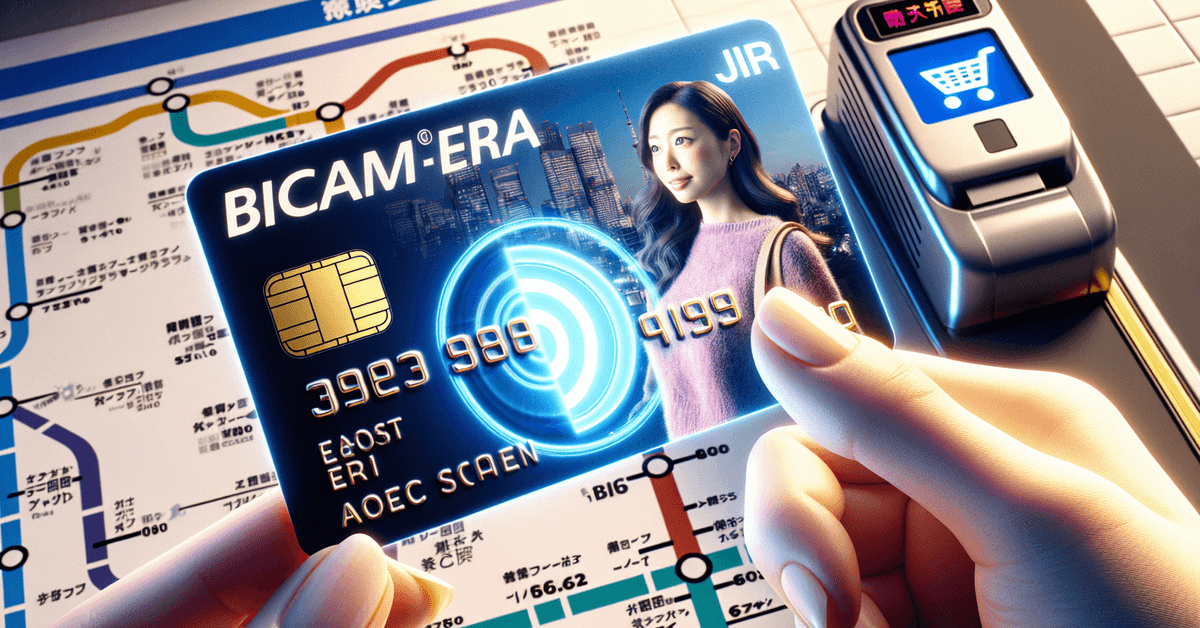
Extra Value for Tourists and Residents
- Save time at checkout with contactless payments
- Qualify for in-store discounts and accumulate reward points (10% on many electronics, which is actually generous by local standards)
- English support is available at the main BicCamera, and even some Japanese phrases can help ease the process
Where Can You Get the BicCamera Suica Card?
Currently, the BicCamera Suica Card is available at most major BicCamera locations.
This includes Tokyo branches such as Ikebukuro, Shinjuku, and Yurakucho. People may say it’s offered at a few select stations, but in practice, it’s usually at the BicCamera counters inside those stores.
Application Hours:
- Most stores: 10:00 a.m. to 9:00 p.m.
- Some flagship locations extend hours during peak travel seasons
What Do You Need to Apply?
Surprisingly, it’s a lower-barrier process than one might expect. There’s almost no paperwork.
Even for short-term visitors, the requirements are streamlined: just bring a valid passport (with entry stamp, if relevant). No local Japanese address or phone number is required in most cases.
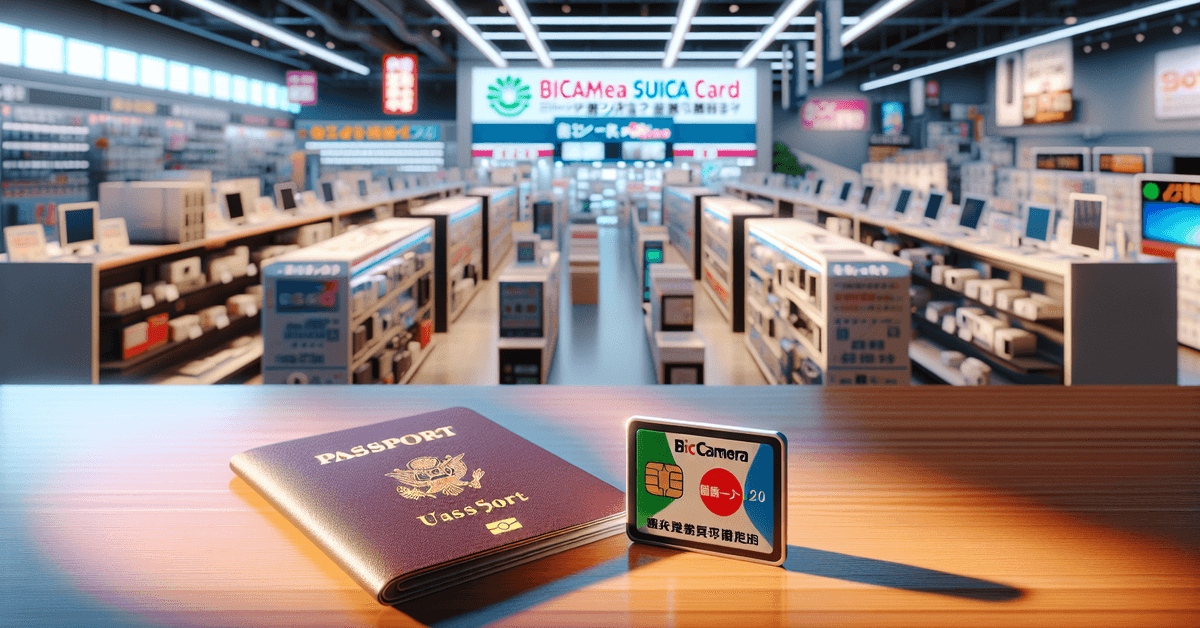
Items to Bring:
- Passport (with entry visa page for tourists)
- A small fee—usually ¥2,000 (~$14 USD), which includes a ¥500 deposit and ¥1,500 initial balance
Step-by-Step: How to Get the BicCamera Suica Card
The process is clear and, for most, achievable in about 15 minutes. Staff at big branches generally speak some English, which is reassuring if your Japanese is limited.
- Go to the BicCamera counter: Look for the Suica sign, not regular checkout. In larger stores, there’s often a separate desk for transit cards.
- Show your passport: Staff reviews your ID to confirm eligibility. Some may ask basic questions in English or Japanese—for example, “Are you staying in Japan short-term?”
- Pay the fee: Cash is usually required, though some accept credit cards. You’ll receive your card, a quick point-earning brochure, and a receipt.
Important Notes:
- The card is available only to those over 12 years old.
- If you’re in a rush, avoid peak shopping hours—mornings or late afternoons are quieter.
Using Your BicCamera Suica Card in Daily Life
One thing that stands out is how seamlessly the card works on trains, buses, vending machines, and even some convenience stores across Japan. Tap in and out on JR and Metro rail lines; it’s the same as a standard Suica experience.
Shopping With Points:
- After purchases, points automatically accumulate; just present your card before payment.
- You can check balances at checkout screens or ask staff.
- Use points as yen value toward future buys at BicCamera, Sofmap, or Kojima group stores.
Recharging and Managing Your Card
Adding balance is straightforward. Use cash at station ticket machines, convenience stores (like 7-Eleven or FamilyMart), or most BicCamera locations. Suica apps won’t recharge foreign-issue cards for overseas visitors; something to keep in mind.
| Location | Payment Methods | Recharge Amount |
|---|---|---|
| JR Stations | Cash, some accept IC-enabled credit cards | ¥1,000, ¥2,000, ¥5,000, ¥10,000 |
| Convenience Stores | Cash only (with staff assistance) | Any amount within balance limits |
| BicCamera Stores | Cash or card, varies by location | Flexible |
What Happens If You Lose the Card?
Unfortunately, the standard BicCamera Suica Card is anonymous, so if lost, remaining balances and points usually can’t be refunded.
Some people recommend snapping a quick photo of the card’s number just in case; while it may not guarantee recovery, it could help explain a loss should you contact customer service.
Alternatives and Comparison
BicCamera Suica isn’t the only smart card in Japan. There’s also PASMO, ICOCA (Osaka area), and Kitaca (Hokkaido).
Yet, only BicCamera Suica offers the blend of travel convenience and point rewards at a major nationwide electronics retailer. For most travelers, a table of comparison might be useful.
| Feature | BicCamera Suica | Regular Suica | PASMO |
|---|---|---|---|
| Shopping Points | Yes, at BicCamera and group stores | No | No |
| Transport Usable | Nationwide JR/Metro lines | Nationwide JR/Metro lines | Tokyo-centric subways and lines |
| Tourist Friendly | Yes (English support in big branches) | Yes | Yes |
| Loss Refund | No (anonymous) | Only if registered | Only if registered |
FAQs: Common Doubts and Experiences
You might ask these questions along the way:
Can Anyone Apply for the Card?
Short-term tourists, long-term residents, and most non-Japanese can apply. There’s flexibility here, but certain benefits (like tax-free electronics) are only available with passport presentation and a short-term visa type.
Can You Use It for Shinkansen?
Generally, Suica cards do not allow direct access to reserved Shinkansen seats. Yet, some unreserved routes work with IC cards within Tokyo and select regions.
What Happens When Leaving Japan?
You can return Suica cards (including BicCamera versions) at JR service counters for a partial refund, but only before your departure. The service fee is deducted, and the unused value above ¥220 is usually returned.
Final Thoughts: Unlock Everyday Convenience in Japan
So, while not life-changing, having a single, reloadable card for transport and shopping removes small stresses from daily routines. The process isn’t intimidating, even for non-Japanese speakers.
If you value smooth travel and saving on electronics or household essentials, this card may fit perfectly into your Japan experience.
For practical travel tips, check out our in-depth guide to navigating Japan’s transit card landscape. Your journey can be smoother, and maybe even a bit more rewarding, just by knowing your options.