Managing finances through modern digital tools is becoming second nature for many. For people who are curious about what the Apple Card offers and want to know more about the application process, this article unpacks the essentials.
Whether you’re new to digital wallets or just considering an upgrade, this guide is tailored to those who are exploring secure and flexible payment options.



What Is the Apple Card? A Brief Overview
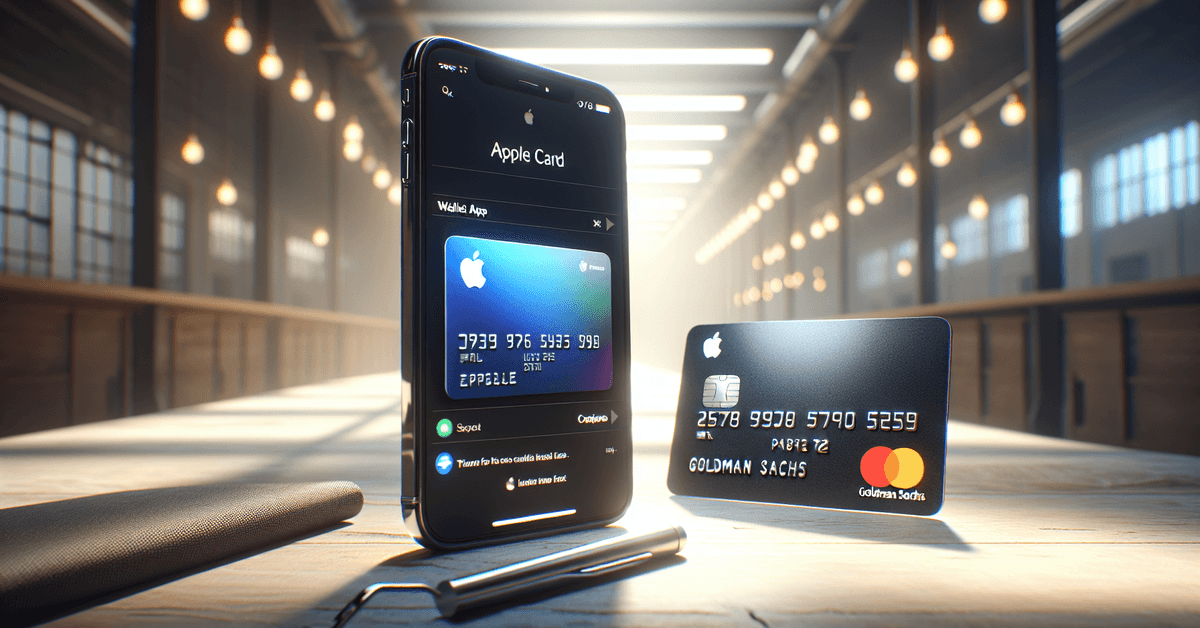
The Apple Card is a credit card created by Apple, in collaboration with Goldman Sachs, designed to work seamlessly with the iPhone.
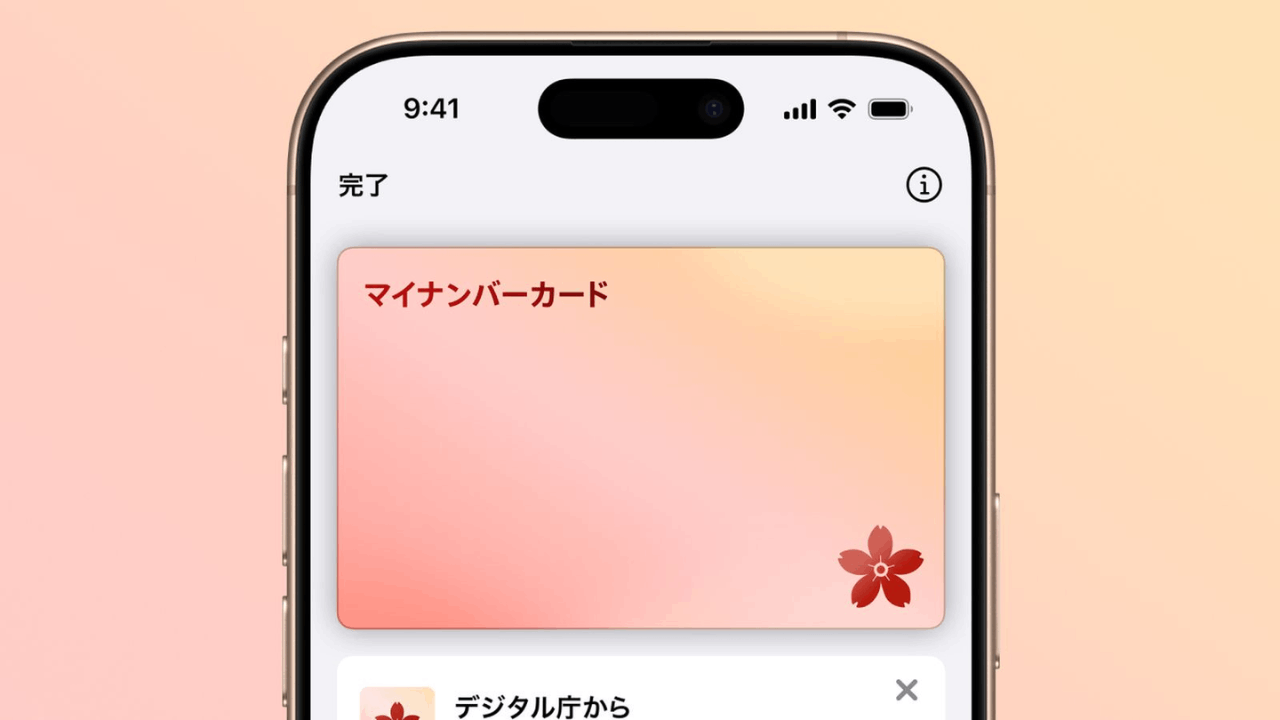
It emphasizes privacy and easier expense tracking through Apple’s Wallet app.
While it can be used like a traditional credit card—both virtually and with a physical titanium card—it stands out for its focus on digital integration. Many are interested in applying simply to experience these modern conveniences.
Who Can Apply for an Apple Card?
Eligibility is fairly straightforward. Applicants generally need to be at least 18 years old and a U.S. citizen or lawful resident with a valid, compatible iPhone.
Apple tends to update eligibility guidelines, and it’s a good idea to confirm current requirements on its official support site.

Why Consider Applying for an Apple Card?
Integrated Digital Experience
Unlike most cards, the Apple Card is built into your Apple device. Tapping your phone to make a payment feels surprisingly natural over time.
The app’s detailed spending summaries can help some people gain better control over their finances.
Simplified Rewards and Security
The card rewards Daily Cash on every purchase (up to 3%), and uses robust safeguards designed to minimize fraud risk. For someone who values both simplicity and privacy, this may offer peace of mind.
No Fees Policy
There are no annual, late, or international fees. This is not uncommon these days, but it does contribute to the card’s appeal, especially for younger applicants or those wary of unexpected charges.
How to Prepare Before Applying for an Apple Card
Preparation can make the process smoother. Gathering basics like your legal name, date of birth, and social security number is key.
An active Apple ID is necessary, with two-factor authentication enabled. If credit history is a concern, checking your credit report first might help set expectations.
Apple reviews your credit score (generally, a FICO score over 600 is more likely to be approved, though the requirements can fluctuate).
Step-by-Step: How to Apply for an Apple Card
Step 1: Update Your iPhone
The Apple Card application process is accessible only through the Wallet app, which is available on iPhone 6 or later. Ensuring your device has the latest iOS version can head off unexpected glitches.
Step 2: Open the Wallet App
In the Wallet app, there’s usually an “Add” button. When you tap it, one of the options should be to add the Apple Card. It doesn’t hurt to scan the screen closely, as the UI sometimes subtly changes.
Step 3: Complete the Application
The app prompts you for basic details and asks for personal data such as address, income, and social security number.
This might feel repetitive if you’ve applied for credit before, but it’s standard procedure. Apple’s interface generally makes the process more comfortable.
Step 4: Review the Terms
After entering your information, you will see a summary of the card’s terms—things like interest rate, spending limit, and privacy disclosures.
Apple tends to make these terms relatively plain, but it’s still worth reviewing slowly. Sometimes, the rate offered may be different from what you expected.
Step 5: Accept the Offer (or Decline)
If approved, you can review the credit limit and interest details. Acceptance is optional; if the offer doesn’t suit your needs, there’s no obligation.
Some people pause here, weighing their options—it’s perfectly normal.
Step 6: Activate Your Card
Once you accept, the Apple Card shows up instantly in your Wallet app. You can use it right away for in-store and online purchases via Apple Pay.
If you opt for the titanium card, it usually arrives in about a week. Activation of the physical card, when received, is as simple as tapping it to your iPhone.
What to Expect After Applying
You should receive an email confirmation and see the card in your digital wallet. Monthly statements are accessible in the Wallet app.
A few people note being surprised by the regular spending notifications—but many find them helpful for accountability.
Managing Your Apple Card Account
Using the Wallet App Features
Your Wallet app displays spending summaries by category, payment due dates, and more.
Payments can be made directly from a linked bank account within the app, though scheduling ahead is also possible. Apple sends helpful reminders, though some users find them a bit frequent.
Understanding Daily Cash
Apple Card gives a percentage of purchases back as Daily Cash. For many, the main appeal is that rewards appear almost instantly, not at month’s end.
The percentages depend on where and how you use the card—for instance, purchases made directly with Apple get the highest rate.
Monitoring Your Credit
Payment history and card utilization affect your credit score. Having the ability to track payments inside the app might encourage better financial habits, though results will vary by individual.
For further credit monitoring, platforms like Credit Karma could provide additional support.
Potential Challenges and Considerations
- Credit approval is not guaranteed. Each application involves a credit check, which may affect your score.
- The Apple Card is only available to U.S. residents. International students or those overseas will have to seek alternatives.
- Despite the “no fees” policy, interest can accrue rapidly on unpaid balances. Budgeting tools in the app can help, but self-discipline remains crucial.
How Does Apple Card Compare to Other Options?
| Feature | Apple Card | Traditional Credit Cards |
|---|---|---|
| Annual Fee | None | Varies |
| Integration with Digital Wallets | Seamless (Apple-only) | Available (varies by issuer) |
| Rewards Program | Daily Cash, instant | Typically monthly |
| Privacy Features | Strong, device-focused | Standard (varies) |
| Physical Card | Titanium, optional | Plastic, standard |
Frequently Asked Questions
- Is there a minimum credit score? While Apple doesn’t specify, a FICO score above 600 is often cited as the minimum for approval.
- Can Apple Card be used outside the U.S.? Yes, but it’s not issued to non-U.S. residents. International use is possible wherever Mastercard is accepted, with no foreign transaction fees.
- Does applying hurt my credit score? Any credit card application may temporarily lower your score by a few points.
Helpful Resources and Internal Links
- Apple’s Apple Card support page answers many detailed questions.
- Related: Choosing Digital Wallets for Beginners
- Related: Tips To Improve Your Credit Score Fast
Conclusion: Is the Apple Card Right for You?
The Apple Card presents a different kind of credit card experience—one shaped around digital convenience and transparent design.
For anyone who prefers managing finances with their iPhone and values simplicity, exploring this option could be worthwhile.
While it may not suit every financial situation, understanding the process lets you make an informed decision. Maybe now is a good time to read more about digital wallets and credit building as your next step.
Note: There are risks involved when applying for and using credit. Consult the bank’s terms and conditions page for more information.